

When most people picture security screening, they imagine sterile, intimidating environments—long lines, stern faces, and a general atmosphere of suspicion. That outdated image could not be further from the reality of today’s thoughtfully designed security checkpoints. Modern walk through metal detectors have undergone a remarkable transformation, evolving from imposing barriers into welcoming gateways that balance robust protection with genuine hospitality. These intelligent systems are now capable of screening efficiently, accurately, and discreetly, allowing venues to maintain a warm, inviting atmosphere without compromising on safety. The result is a world where security no longer feels like a punishment, but simply a seamless part of the experience.
This positive evolution matters because security works best when people cooperate willingly. A welcoming environment reduces anxiety, speeds up processing, and creates a partnership between venues and visitors rather than an adversarial relationship. Modern walk through metal detectors are at the heart of this shift, proving that protection and warmth can go hand in hand.
The Evolution: From Intimidation To Invitation
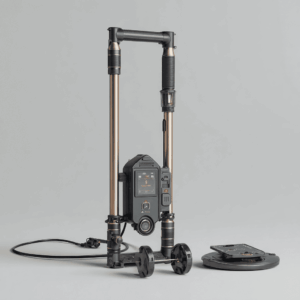 Early metal detectors were blunt instruments. They beeped loudly and indiscriminately at any metallic object, treating a belt buckle the same as a weapon. This led to frustrating, time-consuming secondary screenings that left everyone feeling annoyed and targeted. Security felt like an obstacle to be endured rather than an embrace to be trusted.
Today’s walk through metal detectors are fundamentally different. They use multi-zone technology to pinpoint not just the presence of metal, but its precise location on the body. Advanced discrimination algorithms distinguish between harmless everyday items like keys, phones, and belt buckles, versus genuine threats like weapons. This intelligence dramatically reduces false alarms. Visitors walk through normally, and only those carrying prohibited items trigger a specific, localized alert. The guard knows immediately where to check—a specific pocket, a particular area of the torso—without invasive pat-downs or embarrassing public delays.
This precision creates an experience that feels respectful and efficient. Visitors are not treated as potential criminals; they are treated as valued guests passing through a brief, unobtrusive checkpoint.
Blending In: Aesthetic Designs That Welcome
One of the most visible changes in modern walk through metal detectors is their appearance. Gone are the bulky, gray, industrial monstrosities that screamed “high security.” Today’s units are available in elegant finishes, including sleek silver, matte black, and even custom colors that complement architectural design. Some models are so low-profile that they blend almost invisibly into lobbies, entrances, and event spaces.
For venues that prioritize ambiance—museums, galleries, corporate headquarters, luxury hotels, and performing arts centers—this aesthetic sensitivity matters enormously. A beautifully designed security checkpoint does not announce itself as a fortress. It whispers, “We care about your safety, and we also care about your experience.” This subtlety puts visitors at ease before they even step through the detector. The security presence is felt without being intimidating.
Speed And Efficiency: Keeping Lines Moving
Nothing destroys a welcoming atmosphere faster than a long, slow-moving line. Frustrated, impatient visitors become less cooperative, and the entire security process becomes strained. Modern walk through metal detectors are engineered for high throughput, capable of screening dozens of people per minute without sacrificing accuracy.
Key features that enable this speed include:
-
Rapid processing algorithms that analyze signals in milliseconds
-
Large, clear display panels that provide instant pass/fail indications to both operators and visitors
-
Directional indicators that guide foot traffic efficiently
-
Automatic sensitivity adjustments that adapt to changing environmental conditions
When lines move quickly, the security checkpoint becomes a brief, forgettable moment rather than the dominant memory of the visit. Visitors arrive at their destination relaxed and ready to enjoy themselves, not stressed and resentful.
Accessibility And Inclusivity: Security For Everyone
Modern walk through metal detectors are designed with accessibility as a core principle, not an afterthought. Wide lanes accommodate wheelchairs, walkers, and mobility scooters comfortably. Audio and visual indicators assist visitors with hearing or vision impairments. Sensitivity settings can be adjusted to reduce alerts for medical implants, such as pacemakers or insulin pumps, while still detecting genuine threats.
This inclusive design ensures that security does not become a barrier for individuals with disabilities. Everyone, regardless of mobility or medical needs, deserves to feel safe and welcome. Modern detectors deliver on this promise, creating checkpoints that serve all members of the community with dignity and respect.
Versatility Across Venues
The adaptability of today’s walk through metal detectors means they can create secure-yet-welcoming environments across an extraordinary range of settings:
Schools And Universities: Security is increasingly important in educational settings, but administrators want to avoid creating a prison-like atmosphere. Modern detectors offer discreet, mobile units that can be deployed during events or permanently installed in a way that feels part of the environment, not an intrusion.
Corporate Campuses: Companies want to protect employees and intellectual property without making the workplace feel oppressive. Sleek, efficient detectors at main entrances provide peace of mind while maintaining a professional, open atmosphere.
Hospitals: Healthcare facilities need to balance security concerns—preventing theft, controlling access to sensitive areas—with the need to comfort patients and families. Low-profile detectors integrated into welcoming reception areas serve both goals.
Museums And Cultural Sites: Protecting priceless artifacts is essential, but visitors come to enjoy beauty and learning. Modern detectors that blend with architectural design preserve the aesthetic integrity of the space while providing robust protection.
Event Venues: Concert halls, sports stadiums, and convention centers face the challenge of processing thousands of excited fans quickly. High-throughput, user-friendly detectors keep the energy positive and the lines moving, allowing the focus to remain on the event itself.
The Human Element: Training For Warmth
Even the most advanced technology is only as welcoming as the people operating it. Progressive organizations pair modern walk through metal detectors with customer-service oriented security training. Guards are taught to greet visitors warmly, explain procedures clearly, and resolve alerts efficiently and respectfully. A simple “Good morning, welcome” and a brief, professional screening process creates an entirely different experience than a cold, silent glare.
This human touch transforms the security checkpoint from an interrogation point into a hospitality touchpoint. Visitors feel seen and respected, not scrutinized and suspected.
Reassurance Without Fear
There is also a psychological dimension to visible but welcoming security. In an uncertain world, the presence of thoughtful protection provides genuine reassurance. Visitors feel safer knowing that steps have been taken to protect them, even if they never consciously think about it. This underlying sense of security allows them to relax and enjoy their experience more fully.
Crucially, modern detectors provide this reassurance without creating fear. The process is quick, the equipment is aesthetically neutral, and the tone is professional and warm. Visitors leave the checkpoint feeling protected, not policed.
A Better Way Forward
Security and hospitality are not opposing forces. Modern walk through metal detectors prove that it is possible to create spaces that are both safe and welcoming. Through intelligent design, high-throughput efficiency, aesthetic sensitivity, and thoughtful operator training, these systems protect without intimidating, screen without suspecting, and secure without suffocating.
The future of public safety is not about building higher walls and glaring more harshly. It is about creating seamless, respectful experiences that visitors barely notice—except for the quiet sense of reassurance they provide. For venues, events, and organizations that care about both protection and people, the modern walk through metal detector is not just a security tool. It is a statement of values: safety with a smile.



Comments are closed.